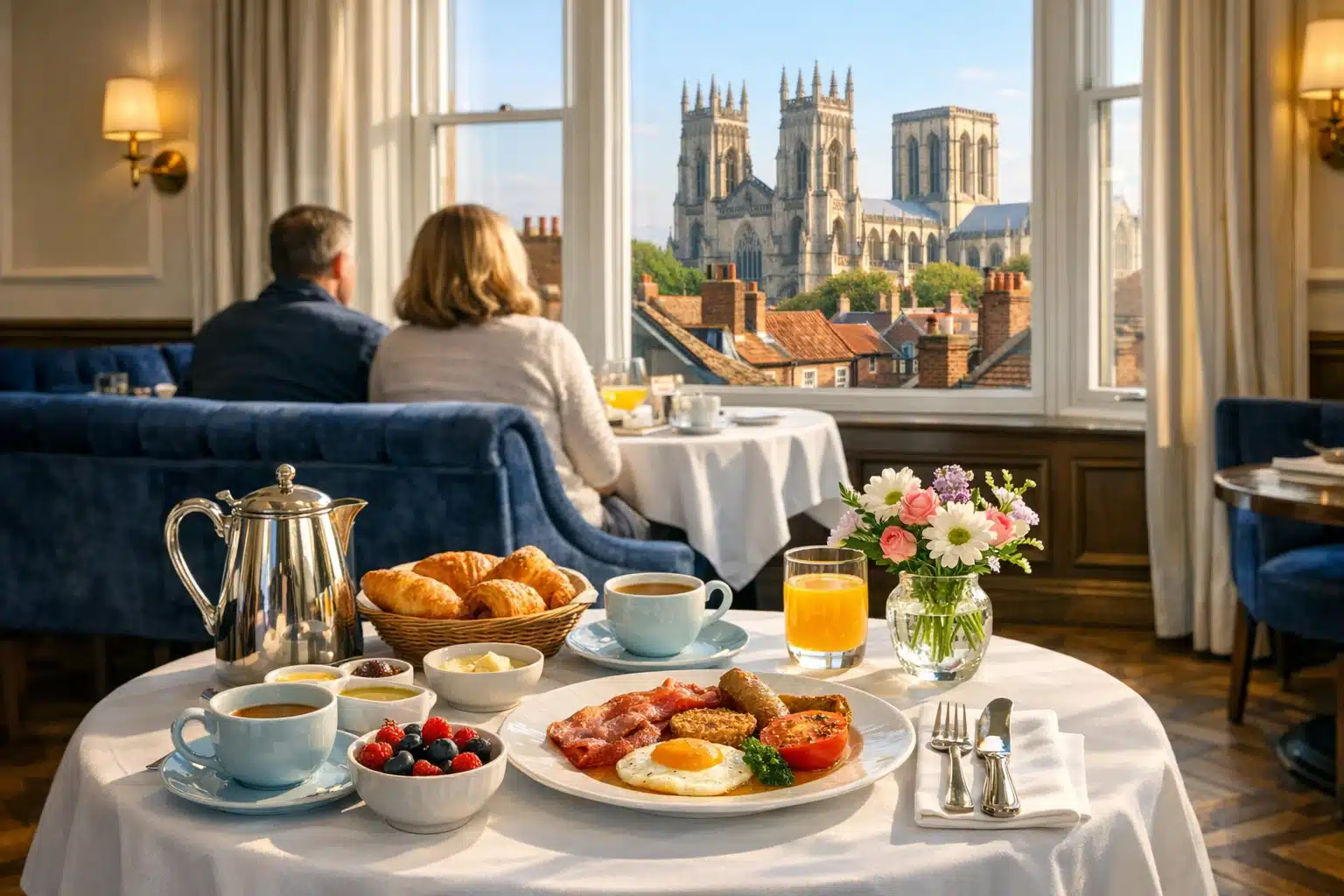
3-Night All-Inclusive Hotel Stay in York: What to Expect
York is a city that rewards more than a rushed overnight visit, because its Roman roots, medieval streets, and riverside calm reveal themselves in layers. A three-night hotel break gives you room to see the major sights, slow down for meals, and enjoy the city after day-trippers have gone. It is also the ideal length for comparing package value, since breakfast, parking, tickets, and comfort extras can change the real cost of a stay. That mix of history and ease is exactly why York remains such a popular short-getaway choice.
Outline:
- Why three nights is a practical length for a York city break
- What hotel packages usually include, and what “all-inclusive” often means in this setting
- The main historic attractions that fit naturally into a short stay
- Comfort features and slower experiences that make the getaway feel restorative
- Who this style of trip suits best, plus smart booking and planning advice
Why Three Nights Works So Well in York
A three-night stay hits a sweet spot in York because it gives travelers enough time to experience the city in more than one mood. On arrival day, you can check in, take a first stroll through the center, and get your bearings without turning the evening into a race against closing times. Then you have two fuller days for museums, churches, walks, food stops, and a few detours that would never fit into a hurried one-night visit. On the final morning, there is still room for breakfast, a relaxed departure, and perhaps one last wander along the walls or through a quieter lane before heading home.
That rhythm matters because York is not only a checklist destination. Yes, the famous landmarks are strong enough to attract first-time visitors on their own, but the city’s real appeal lies in the way major history and small pleasures sit side by side. One hour you may be standing near Roman foundations or medieval stonework; the next, you are nursing coffee in a courtyard, browsing independent shops, or watching light move across the River Ouse. A longer weekend lets those contrasts breathe. Instead of forcing everything into a tight schedule, you can build a trip that feels deliberate rather than exhausting.
This duration also suits different kinds of travelers. Couples often like the balance between sightseeing and quieter evenings. Friends can divide time between museums, pubs, and shopping without constant compromise. Solo visitors gain a comfortable pace, which matters in a place where simply wandering is part of the appeal. Families benefit too, especially if children need breaks between attractions or if grandparents are traveling with them.
- Arrival day works well for a short orientation walk and an early dinner.
- Day one can focus on headline sights such as York Minster, the Shambles, and the city walls.
- Day two is ideal for museums, riverside time, and less obvious corners of the city.
- Departure day can include breakfast, shopping, or one final heritage stop.
In practical terms, three nights also make hotel pricing easier to evaluate. A deal that looks modest for one night can become good value over a longer stay if it includes breakfast, parking, or attraction access. Likewise, a central room that seems expensive at first glance may save money and time if you can walk everywhere. York rewards that kind of careful comparison, and the city is compact enough for each decision to shape the entire feel of the trip. In short, three nights give you enough time to enjoy York as a place to inhabit for a few days, not merely somewhere to pass through with a camera and a timetable.
What Is Usually Included in a 3-Night York Hotel Stay
The phrase “all-inclusive” can sound straightforward, but in York it usually means something different from a beach resort package. In a historic UK city break, the term often refers to a bundled offer rather than unlimited dining and entertainment. The basics are usually three nights in a standard or upgraded room, daily breakfast, and sometimes one or two extras such as dinner on the first night, a bottle of wine, parking, late checkout, or attraction tickets. Some hotels also add cream tea, a welcome drink, or discounted access to a spa partner nearby. That means the real question is not whether a package sounds generous, but whether its inclusions match the way you actually travel.
Explore 3-night York hotel stay trends with insights on accommodations, local attractions, comfort features, and travel experiences.
Accommodation styles vary widely across York. Central options include boutique townhouse hotels, familiar national chains, riverside properties, and older buildings converted into character stays. Just outside the center, country-house hotels and suburban properties may offer more space, easier parking, and quieter nights. The trade-off is that you may rely on taxis, buses, or a longer walk. For some travelers, that is a small price to pay for larger rooms or a more relaxed atmosphere. For others, being able to step straight into the historic core is worth the premium.
- Common package inclusions: room, breakfast, Wi-Fi, and tea or coffee facilities
- Frequent value-adds: parking, dinner credit, prosecco, or late checkout
- Less common extras: spa treatments, attraction entry, or transport add-ons
- Important variables: cancellation policy, room size, accessibility, and check-in times
Breakfast deserves more attention than it often gets. A strong breakfast inclusion can reshape the value of a three-night stay, especially in a city where eating out in the center adds up quickly. A cooked breakfast, continental spread, or high-quality buffet can lower daily costs and simplify morning planning. Dinner allowances can be helpful too, but they need to be read carefully. A set menu may feel useful if you arrive late on the first evening, yet less attractive if you want freedom to explore York’s independent dining scene. Parking is another major factor. If you are driving, a hotel with included parking can save a meaningful amount over three days and remove a logistical headache.
Comfort features matter just as much as headline inclusions. Air conditioning, lifts in older buildings, accessible bathrooms, blackout curtains, quiet-facing rooms, and decent sound insulation can make the difference between a pleasant break and a tiring one. Family travelers may prioritize sofa beds, interconnecting rooms, or child-friendly meal timings. Couples may care more about atmosphere, bathrobes, or a view. In other words, the best York package is rarely the one with the longest list of extras. It is the one whose details make your short getaway easier, calmer, and more enjoyable from check-in to departure.
Historic Attractions That Deserve a Place in the Itinerary
York’s great advantage is density. You do not need to spend hours crossing a large city to collect its best sights, because many of the most memorable places are close enough to combine in a single day. That makes a three-night stay especially rewarding. You can cover the icons without rushing, then return to a favorite street or museum when the mood strikes. York Minster is often the natural starting point. Its vast Gothic presence dominates the skyline, and even travelers who are not usually drawn to churches tend to appreciate the scale, craftsmanship, stained glass, and sense of continuity gathered inside its walls. It is not merely a photogenic building; it is one of the key structures through which the city’s religious and political history can be felt rather than simply read about.
The city walls offer a different kind of perspective. Walking them gives shape to York as a lived place rather than a cluster of attractions on a map. From up there, rooftops, towers, gardens, and streets fall into a coherent pattern. The route is also a useful orientation tool early in a trip, helping visitors understand where the center begins, how the old gates connect, and why York still feels enclosed by its past. Nearby, the Shambles remains one of the city’s most photographed lanes, but it is worth seeing early or later in the day if you want to appreciate its overhanging timber-framed buildings without heavy foot traffic.
A strong three-night itinerary usually includes a mix of grand heritage and immersive interpretation. JORVIK Viking Centre is often popular because it translates archaeology into something vivid and accessible. Clifford’s Tower offers elevated views and a reminder that York’s story is not solely medieval pageantry; it also contains conflict, political power, and difficult history. The York Castle Museum, by contrast, helps many visitors connect with daily life across different periods. If rail history interests you, the National Railway Museum adds another layer and can easily occupy a half day.
- High-priority landmarks for first-time visitors: York Minster, city walls, the Shambles, and Clifford’s Tower
- Strong museum choices: JORVIK Viking Centre, York Castle Museum, and the National Railway Museum
- Good additions if time allows: Treasurer’s House, Barley Hall, and the Museum Gardens
What makes these attractions work particularly well over three nights is the freedom to pace them sensibly. You do not have to treat the Minster, a museum, and the walls as one overstuffed marathon. You can place the larger sites in the morning, break for lunch, and leave space for smaller discoveries such as hidden snickelways, old pubs, or riverside paths. That slower pace brings out York’s character. The city stops feeling like an illustrated history chapter and starts behaving like a place with texture, weather, sound, and rhythm. In that sense, the historic attractions are not isolated stops; they are the anchors around which the whole getaway takes shape.
Short-Getaway Comfort Experiences Beyond the Main Sights
The most enjoyable three-night breaks are not built only from major attractions. They are also shaped by the quieter comforts that soften the edges of a short trip. In York, those comforts often come from a mix of hotel features and local rituals: a warm breakfast before setting out, a bath or rain shower after a long walking day, an evening drink in a wood-paneled bar, or a slow stroll beside the river while the city settles into dusk. These details may sound minor on paper, yet they often determine whether a break feels restorative or merely busy.
Room choice matters more than many travelers expect. In central York, older properties can offer period character, but room size, stair access, and sound insulation vary. A compact but charming room may suit visitors who plan to spend most of the day exploring. Those who value downtime may prefer a larger room, a seating area, or a hotel with a lounge, terrace, or spa facilities. If you are arriving by train, a hotel within walking distance of the station can feel wonderfully easy. If you are driving, free parking and uncomplicated road access can spare you a great deal of stress. Convenience is not glamorous, but it is one of the foundations of comfort.
- Comfort features worth checking: mattress quality, room quietness, lift access, and shower strength
- Useful extras for a short break: luggage storage, late checkout, and a good on-site breakfast
- Memorable local comforts: afternoon tea, riverside walks, old pubs, and evening views from the walls
York is particularly good at offering softness around the edges of history. After a day of stone staircases and museum floors, you can reset with simple pleasures: tea in a historic tearoom, a boat cruise in warmer months, or an unhurried wander through the Museum Gardens. Seasonal changes also shape the comfort of a stay. Winter brings a cosier atmosphere, illuminated streets, and the appeal of returning to a warm room early. Spring and summer extend the evenings, making space for outdoor seating, longer walks, and river views after dinner. Autumn, meanwhile, often gives the city a mellow tone that suits slow exploration.
There is also a subtle emotional comfort in staying long enough to stop navigating constantly. By the second day, you begin to remember where streets lead, which café looked inviting, and how the city sounds in the morning compared with the evening. That familiarity is surprisingly valuable. It turns a short holiday from a sequence of transactions into something gentler and more immersive. York excels at that transformation. The city can be dramatic when you want spectacle, but its real strength on a three-night stay may be how easily it lets you settle into a pleasing temporary routine.
Final Thoughts for Short-Break Travelers Planning a York Stay
For most travelers, a three-night York hotel stay is less about chasing excess and more about creating a well-balanced city break. It suits people who want history without overload, comfort without isolation, and enough time to enjoy the city at a human pace. Couples looking for a romantic weekend-plus often find this length ideal, especially when a package includes breakfast, a good central location, and one thoughtful extra. Friends can divide time between heritage, shopping, and nightlife without anyone feeling short-changed. Solo visitors may appreciate York’s walkability and the way its major sights sit close together, while older travelers often value the option to alternate active mornings with slower afternoons.
When comparing bookings, it helps to think in layers rather than just staring at the headline rate. A slightly higher room price may still represent better value if it includes breakfast, parking, and a location that removes transport costs. On the other hand, a cheaper stay outside the center can be a smart pick for travelers who prefer more space and do not mind short taxi rides. Reading the terms carefully matters. Flexible cancellation, realistic dining inclusions, and honest descriptions of room type can protect you from disappointment. If a package advertises “all-inclusive,” check whether that means every meal, a single dinner, or simply a collection of add-ons bundled into the price.
Booking strategy can also shape the experience. Midweek breaks sometimes offer calmer streets and better rates than weekends. Peak festive periods, school holidays, and major event dates can push prices higher, especially in well-located hotels. Early booking usually gives the best choice of room types, but late deals occasionally appear for flexible travelers. The best approach depends on whether your priority is budget, atmosphere, or a specific hotel style. Boutique properties and character buildings often book up first because York’s historic setting makes them especially appealing.
Ultimately, the most satisfying York stay is one that respects how the city works. This is a place of layered history, compact distances, and memorable small moments. You do not need a frantic schedule to justify the trip. You need enough time to climb the walls, step inside the Minster, explore a museum or two, eat well, sleep comfortably, and leave with the pleasant feeling that you knew the city a little better on each passing day. For travelers considering a short getaway, that is the real promise of three nights in York: not endless inclusion, but a thoughtful blend of heritage, ease, and just enough lingering to make the break feel complete.